
A Guide for Caregivers
Checklist for Moving Aging Parents
There comes a point for many families when the roles begin to shift. The parents who once helped you pack for college, move into your first apartment, or settle into your first home now need your help making a move of their own.
It may be time to bring them closer to family. It may follow a health change, the loss of a spouse, or simply the realization that maintaining a larger home has become too much. Whatever the reason, the decision is rarely simple. At Wheaton World Wide, we move your life. When it comes to moving parents, our agents and dedicated move coordinators help you every step of the way with clear communication and expert advice.

The Realities of Helping Parents Relocate
A long-distance senior move adds another layer. There are timelines to manage, belongings to sort through, medical providers to transition, and new living arrangements to prepare. And often, you’re doing much of this while balancing your own career, home, and responsibilities. For your parents, this move can feel deeply personal. Senior moves require patience, clarity, and a good plan.
A thoughtful to-do list won’t remove every emotion from the process, but it will provide structure. This checklist for moving parents walks through the practical steps of preparing for a long-distance move, from early conversations and downsizing to medical coordination and move-in day. With the right preparation, you can help make this transition manageable, steady, and reassuring for everyone involved.
Helping your parents move is rarely a simple, straightforward project. It carries layers that many families don’t fully see at first. Senior moves are different from other household relocations for a few key reasons:
- Emotional attachment to the home. Your parents may have lived there for decades.
- Downsizing decisions. Moving to a smaller home or senior living community requires sorting through a lifetime of belongings.
- Health considerations. Medications, medical providers, mobility needs, and accessibility all require careful planning.
- Long-distance coordination. When you’re moving them to your city—or across state lines—you may be managing much of the process remotely.
- Timing pressures. Sometimes the move follows a health event, retirement, or the loss of a spouse.
Recognizing these realities early helps you plan with intention instead of reacting to surprises. With a steady approach and the right support, you can reduce uncertainty and help your parents feel informed, respected, and cared for throughout the transition.

A Long-Distance Moving Checklist for Senior Parents
Use this checklist for moving parents as a guide. Adjust the timing based on your parents’ situation, but try to give yourself at least 8–12 weeks for a long-distance move when possible.
8–12 Weeks Before the Move
Start talking about your parents’ move with empathy, patience, and openness. Major transitions take time to process, and feelings may shift from week to week.
- Talk openly about why the move is happening. Is it for safety, health, financial simplicity, or to be closer to family? Framing the move around support and quality of life can help it feel purposeful rather than forced.
- Listen carefully to your parents’ concerns. They may worry about losing independence, leaving friends, or adjusting to a smaller space. Acknowledge those fears instead of dismissing them.
- Discuss what they want their next chapter to look like. Do they hope to be more socially active? Closer to grandchildren? Free from home maintenance? Let their goals shape the plan.
- Involve them in decisions whenever possible. The agency to choose which furniture to bring, select paint colors, or decide room layouts in the new space can help your parents feel more in control during such a major transition.
If the move feels urgent due to health or safety concerns, it can be tempting to take over completely. But maintaining their sense of autonomy matters. Giving them a voice in the process reduces resistance, lowers anxiety, and preserves dignity.
Keep the conversation ongoing. Check in regularly. Clear, steady communication now sets the tone for the entire move.
Before you begin serious packing or downsizing, make sure the next home is fully confirmed and ready. Whether your parents are moving into a smaller home near you or into a senior living community:
- Review lease agreements or purchase contracts carefully. Understand deposits, cancellation policies, and move-in timelines.
- Confirm official move-in dates and ask about building rules, including elevator reservations, loading dock access, parking permits, and required certificates of insurance from the moving company. Many senior communities and apartment buildings have strict move-in windows.
- Measure the new space carefully, including doorways, hallways, closets, and storage areas.
Create a simple floor plan with your parents and identify where major furniture pieces will go. Knowing the exact dimensions prevents bringing items that won’t fit and helps your mover plan properly for delivery day. The more clarity you have about the destination, the smoother every other step becomes.
Downsizing is often the most time-consuming and emotional part of a senior move. Starting early gives everyone space to move at a comfortable pace. Break the home into zones and tackle one area at a time:
- Bedrooms
- Closets
- Kitchen
- Garage or basement
- Storage rooms or attics
Set small, realistic goals. For example: one closet per weekend, or one room every two weeks. Trying to sort the entire house at once can quickly become overwhelming.
Use four simple categories:
- Keep: Items that will move to the new home
- Donate: Belongings that can be of use to someone else
- Sell: Furniture or valuables that won’t fit but still have market value
- Discard: Broken, expired, or unusable items
For sentimental items, consider:
- Digitizing old photos and documents.
- Passing heirlooms to children or grandchildren now.
- Creating memory boxes with a limited number of keepsakes.
Be patient. Certain objects will spark stories and emotions. Allow time for those conversations. They’re part of honoring your parents’ history, not a delay in the process. If needed, bring in a senior move manager or estate sale professional to reduce pressure and provide objective guidance.
A long-distance move is the right time to verify that important documents are current, accessible, and organized. Gather and review the following:
- Power of attorney documents
- Healthcare directives and living wills
- Insurance policies (health, home, auto, long-term care)
- Social Security and pension information
- Bank and investment account details
- Property deeds or vehicle titles
Confirm that contact information and beneficiaries are up to date. If your parents are moving to a new state, check whether any documents need to be updated to comply with local regulations. Create a clearly labeled folder or portable file box for these records. Keep it with you during the move; never pack it in the shipment.
Having paperwork organized before moving day prevents unnecessary stress later. It also ensures you’re prepared in case any unexpected medical or financial needs arise during the transition.
Turning Plans Into Action
By now, the foundation is in place. Conversations have happened, the new home is confirmed, and downsizing is underway. This stage shifts from preparation to execution. It’s time to secure your long-distance moving company, coordinate healthcare transitions, and make the logistical decisions that will shape moving day. Clear communication now prevents last-minute stress later.

4–8 Weeks Before the Move
Interstate moves require careful coordination when you’re helping senior parents relocate. This is not the time to rush the decision or choose based on price alone. Clear communication, accountability, and experience matter just as much as cost.
Start by scheduling in-home or virtual surveys with reputable interstate moving companies. A thorough estimate should include a detailed inventory of everything being moved, so be sure to mention downsizing and what won’t be moving. The more precise the inventory, the fewer surprises later.
As you review estimates, look for:
- A written, not-to-exceed price so you know the cost upfront.
- Clear explanations of what is included—packing, storage, valuation protection, and delivery timelines.
- A detailed shipment inventory.
- A single, dedicated point of contact who will guide you from booking through delivery.
Ask questions. How will communication work during transit? What happens if the delivery window shifts? How are high-value or fragile items handled? A trustworthy long-distance mover should welcome these conversations and answer clearly.
For senior moves, steady communication is especially important. Your parents (and you) should know what to expect, when to expect it, and who to call if they have concerns. Whenever possible, book your mover at least 4 weeks in advance of your moving date.
Healthcare continuity is one of the most important parts of a senior move, especially when it’s across state lines. Planning this early helps avoid gaps in care or last-minute stress. Start by gathering information and documentation:
- Request copies of medical records from primary care physicians, specialists, and recent hospital visits. Many offices can transfer records directly to a new provider with signed authorization.
- Make a complete list of medications, including dosages, prescribing doctors, and refill schedules.
- Transfer prescriptions to a pharmacy near the new home and confirm that refills will be available during the transition period.
If possible:
- Schedule final appointments with current providers to discuss the move and ask for recommendations or referrals in the new city.
- Research new primary care physicians and specialists before the move so you can schedule introductory appointments shortly after arrival.
If your parents are moving into senior living, confirm what medical services are available on-site.

Finalizing Details and Preparing for Departure
With the moving date approaching, attention turns to the finer details. Travel arrangements, address changes, and practical preparations take priority. These final weeks are about reducing uncertainty. When the small details are handled early, the last days in the home can feel steadier and more focused.
2–4 Weeks Before the Move
How your parents travel to their new home deserves just as much thought as the shipment of their belongings. Comfort, safety, and reduced stress should guide every decision. Start by choosing the travel method that best fits their health, mobility, and energy level:
- Flying: Flying is ideal for long distances when travel time needs to be shorter. Request wheelchair assistance if needed, choose nonstop flights when possible, and allow extra time at the airport to avoid rushing.
- Driving With Family: This option provides flexibility and familiarity. Plan shorter driving days, schedule regular rest stops, and consider breaking the trip into manageable segments with overnight stays.
- Medical Transport: If mobility or medical needs require supervision, professional medical transport may offer added safety and peace of mind.
Whichever option you choose, book tickets early to secure preferred times and seating. Avoid very early morning or late-night departures if possible, as fatigue can make travel more difficult.
Build extra time into the schedule. Allow for rest breaks, meals, medication timing, and unexpected delays. Travel day should feel calm and supported rather than rushed or tightly packed.
For a long-distance move, there may be several days between leaving the old home and receiving the shipment. An essentials box gives your parents what they need without searching through packed boxes.
Pack a clearly labeled suitcase or container that travels with them, not on the moving truck. Include:
- All medications, clearly organized and easily accessible
- Important documents and identification
- Glasses, hearing aids, chargers, and medical devices
- Phone chargers and contact lists
- Toiletries and personal care items
- Comfortable clothes for several days, plus sleepwear
- Basic snacks and a refillable water bottle
- Comfort items such as a favorite blanket, framed photo, or small keepsake
- Mobility aids (walker, cane, wheelchair)
Think of this bag as a “first 72 hours” kit. It should allow your parents to function comfortably and safely, even if delivery is delayed. Having familiar items close at hand provides reassurance during a time when so much else feels new.
An address change may seem simple, but it affects nearly every part of daily life. Creating a master checklist prevents important mail or bills from slipping through the cracks.
Start with official notifications:
- Submit a USPS change-of-address request.
- Update Medicare and any supplemental insurance plans.
- Notify Social Security, pension administrators, and retirement accounts.
Then move through financial and service providers:
- Banks and investment accounts
- Credit cards and loan providers
- Insurance companies (home, auto, health, long-term care)
- Utilities at both the current and new residences
- Subscription services and memberships
If your parents receive regular medical supplies or specialty deliveries, update those providers as well.
Creating Calm During a Busy Week
Moving week carries a different kind of energy. There may be boxes everywhere and paperwork to review, but this is also a time for reflection and closure. Staying organized and present helps protect both the practical details and the emotional weight of leaving a long-time home. A steady approach keeps the process controlled and reassuring.
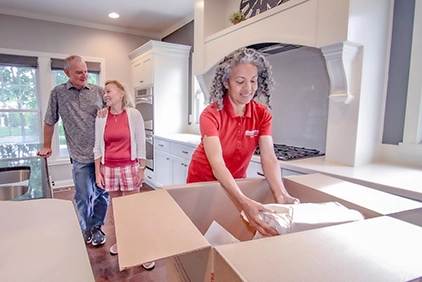
Moving Week
Before the movers arrive, take time for one final walkthrough of the entire home. This step is both practical and emotional. It ensures nothing is left behind and gives your parents a moment of closure.
Before loading begins:
- Open every closet, cabinet, drawer, and storage space, including the garage, attic, and outdoor sheds.
- Check behind doors and inside appliances.
- Confirm which items are labeled “not moving” so there is no confusion during loading.
- Set aside anything that should travel with your parents, including valuables and essentials.
- If the home is being sold or rented, take photos to document its condition.
Move slowly and be present. This may be your parents’ last time in the home. A calm, unrushed walkthrough helps prevent forgotten items and provides peace of mind before the next chapter begins.
On loading day, clear communication is key. Before the truck departs:
- Walk through the detailed inventory with the driver.
- Confirm that all major items and carton counts are accurate.
- Make sure high-value or fragile items are clearly noted.
- Ask questions if anything is unclear.
- Keep copies of all signed paperwork in a safe, accessible place.
The inventory serves as the official record of what is being transported. Accurate documentation protects everyone and reduces uncertainty while the shipment is in transit across state lines. Taking a few extra minutes to review details carefully can prevent misunderstandings later.

Helping the New House Feel Like Home
Arrival is not the end of the move. It’s the beginning of adjustment. The first days in a new space set the tone for how comfortable and secure your parents will feel. Focus first on safety, familiarity, and routine. With patience and thoughtful support, the new environment begins to feel less unfamiliar and more like the next chapter.
After Arrival
If possible, be there when the shipment arrives. Having a trusted family member present provides reassurance and helps decisions move efficiently. During delivery:
- Direct where furniture should be placed using your pre-planned layout.
- Check items off the inventory as they come in.
- Inspect belongings and note any concerns immediately on the paperwork.
- Ask for a final walkthrough with the crew before they leave to ensure everything has been placed correctly and nothing is missing.
Older adults can feel overwhelmed on delivery day. Your presence adds clarity, support, and a sense of control during a busy moment.
Resist the urge to unpack everything at once. Focus first on making the space safe, functional, and familiar. Start with the essentials:
- Make the bed so there’s a comfortable place to rest.
- Set up the bathroom with non-slip mats, grab bars if needed, and easy access to toiletries.
- Organize medications in a consistent, visible location.
- Make sure lamps and overhead lights are working and pathways are well-lit.
- Remove boxes and tripping hazards from walkways.
Place a few meaningful items like framed photos, a favorite chair, or a cherished quilt out where your parents will see them. Familiar surroundings create comfort faster than fully unpacked shelves.
Even when the move goes smoothly, the first few weeks can feel disorienting. New sounds, new layouts, and new routines take time to adjust to. Support the emotional transition by:
- Visiting frequently if they’re nearby, especially during the first month.
- Helping them explore the neighborhood, nearby parks, grocery stores, or places of worship.
- Introducing them to neighbors, community staff, or activity coordinators.
- Encouraging participation in social events or community programs.
- Maintaining familiar routines around meals, phone calls, and daily schedules.
Stay patient. There may be moments of homesickness or second-guessing. Transition takes time. With steady encouragement, clear communication, and consistent support, your parents can begin to feel truly at home.
Work With Wheaton
The Right Support for the Next Chapter
Helping your parents relocate long-distance is an act of care. It takes time, patience, and thoughtful planning. There are details to manage and emotions to navigate. But with a clear checklist for moving parents and steady communication, the process becomes far more manageable.
The right moving partner can make a meaningful difference. If you’re planning a long-distance move for your parents, start by getting the clarity you deserve. Request your free, guaranteed quote from Wheaton and speak with a move coordinator who will guide you through every step.