
Thousands of Americans Deal with Rogue Movers Every Year. Don’t Let it Happen to You.
Rogue Movers
Moving often begins with something meaningful—a new job, a chance to be closer to family, retirement in a warmer climate, or a fresh start after years in one place. It is a major life transition. And while it should feel hopeful, many families find themselves carrying an added worry: “What if something goes wrong with our long-distance moving company?”
One of the biggest risks in interstate moving is falling victim to a rogue mover. These scam companies create stress, uncertainty, and frustration during a time that already feels overwhelming.
Avoid Moving Scams
Wheaton moves around 30,000 households every single year, which shows our commitment to client satisfaction. Don’t be another statistic when it comes to moving scams. Keep reading to learn how to avoid rogue movers during your move.
Understanding what rogue movers are and how they operate is the first step in protecting your move. The good news is that you can protect yourself by choosing a trusted, established interstate moving partner. Wheaton World Wide is committed to safeguarding customers from the tactics rogue movers use, providing the kind of accountability and care that removes uncertainty from the process.
A rogue mover is a fraudulent or dishonest moving company that operates with the intent to mislead, overcharge, or even hold a customer’s belongings hostage. These companies often look legitimate at first. They may have a website, a logo, and even positive-looking online reviews. But behind the scenes, their business model depends on confusion, hidden fees, and last-minute pressure.
Rogue movers typically attract customers with unusually low estimates. The quote may sound far better than the competitors’. It may even feel like a relief. But once your belongings are loaded onto the truck and on their way across state lines, the situation changes.
Suddenly, the price increases. The weight is “higher than expected.” Additional services are “required.” Delivery is delayed until an extra payment is made. In extreme cases, belongings are held until the customer agrees to pay thousands more than the original estimate.
By then, families feel trapped. Their possessions, and in many cases, their most meaningful memories, are already out of their hands.
Long-distance moves require coordination across hundreds or thousands of miles, and timelines stretch over days or weeks. Shipments may be consolidated with other customers’ goods, and regulations differ by state. That complexity creates an opportunity for bad actors to exploit confusion with moving scams.
When customers are unsure how interstate pricing works, what paperwork should look like, or who is responsible at each stage, rogue movers can fill the gap with misleading promises. The result is often surprise charges, delayed deliveries, and damaged trust.
The most painful part is not just financial. It is the feeling of losing control during a moment that already feels uncertain.
Rogue movers often share common warning signs:
- Unusually low initial quotes that seem too good to be true
- No in-home or virtual survey before pricing
- Large deposits are required upfront
- Vague contracts with room for added fees
- No dedicated point of contact
- Poor communication once the move is booked
While a rogue mover may seem responsive upfront, after securing your business, the experience can begin to shift. Communication may slow down, and questions may go unanswered. The clarity you felt during the sales process can give way to confusion about timing, costs, or next steps.
On moving day or during transit, new charges may surface. Customers are sometimes told their shipment weighs more than expected or that additional services are required. Because their belongings are already loaded and en route, they may feel they have little choice but to agree.
This pattern creates pressure at the most vulnerable point of the move—when your home is packed up and your life is in transition.

When You Move With Wheaton, You Avoid Moving Scams
When you understand how rogue movers operate, the difference becomes clear. Protection starts with structure, transparency, and accountability from the very beginning.
Wheaton coordinates interstate moves through a nationwide network of approximately 140 long-standing, independently owned agent partners across the contiguous United States. Many of these relationships have lasted decades. That stability matters.
When you move with Wheaton, you work with an established van line that coordinates every step of your interstate relocation with care and accountability. We remove the uncertainty that rogue movers create with:
One of the most common tactics used by rogue movers is offering a low estimate, only to increase the cost after your belongings are loaded.
Wheaton removes that uncertainty with a written, not-to-exceed estimate based on a thorough survey of your home and belongings. Your pricing is clearly documented before you book, so you understand exactly what is included. There are no hidden fees and no surprise charges added during transit. The price you are given is the price you pay.
Just as important, your contract clearly outlines the agreed-upon services, pricing structure, pickup and delivery details, and valuation coverage. You have time to review the paperwork, ask questions, and feel confident about what you are signing.
Interstate moves involve many moving parts. Instead of bouncing between departments or call centers, Wheaton provides one dedicated move coordinator from start to finish. This single point of contact answers questions, confirms timelines, explains paperwork, and stays connected throughout your move. If something changes, you know exactly who to call.
Rogue movers rely on confusion and distance. Wheaton relies on efficient, clear coordination.
Rogue movers often rely on vague paperwork that leaves room for disputes later. Wheaton’s level of detail protects you and provides clarity about what is being transported from start to finish.
Wheaton creates detailed shipment inventories and conducts final walkthroughs to ensure everything is properly recorded before loading. Every item loaded onto the truck is documented, creating an accurate record tied to your Bill of Lading. This protects you and your belongings.
Once a deposit is paid or a truck is loaded, communication with a rogue mover can become inconsistent or difficult. One of the most common frustrations in an interstate move is not knowing what is happening. When communication slows down, uncertainty grows.
Wheaton protects you with proactive communication throughout your move. Instead of waiting for you to track down updates, key milestones are clearly outlined in advance—before packing begins, at loading, while your shipment is in transit, and prior to delivery. You know what to expect and when to expect it. If plans shift due to weather, scheduling, or logistics, you are informed promptly and clearly.
Wheaton’s nationwide agent network includes experienced, independently owned moving companies that have built reputations in their local communities. These are long-standing businesses with accountability tied to their names and their relationships.
That is very different from transient operations that appear online for a short time and disappear after complaints surface.
Wheaton is a certified ProMover through the American Trucking Associations (ATA). We uphold the ethical and professional standards of the organization, which provides customer service agents to help resolve any disputes involving ProMovers.
Request A Free Moving Estimate
How to Protect Yourself From Rogue Movers and Find a Reliable, Legitimate Moving Company
The good news is that rogue movers can be avoided with the right preparation and the right partner.
Movers vs. Brokers: How to Tell the Difference
When planning a move, you’ll likely encounter both moving companies and moving brokers during your research. Each may be a valid and legitimate option. However, to know which one is best for your specific situation, it’s important to understand the difference.
Moving Companies
Moving companies directly manage the relocation of your belongings; they own trucks and employ professional movers. Moving companies must be registered with the Federal Motor Carrier Safety Administration (FMCSA).


Moving Brokers
On the other hand, moving brokers act as intermediaries, connecting customers with suitable moving companies; they do not handle the moves themselves. While brokers also need FMCSA registration, they don’t typically own trucks or employ movers.
Being informed helps ensure a smooth, stress-free move. Learn more about the difference between movers and brokers!



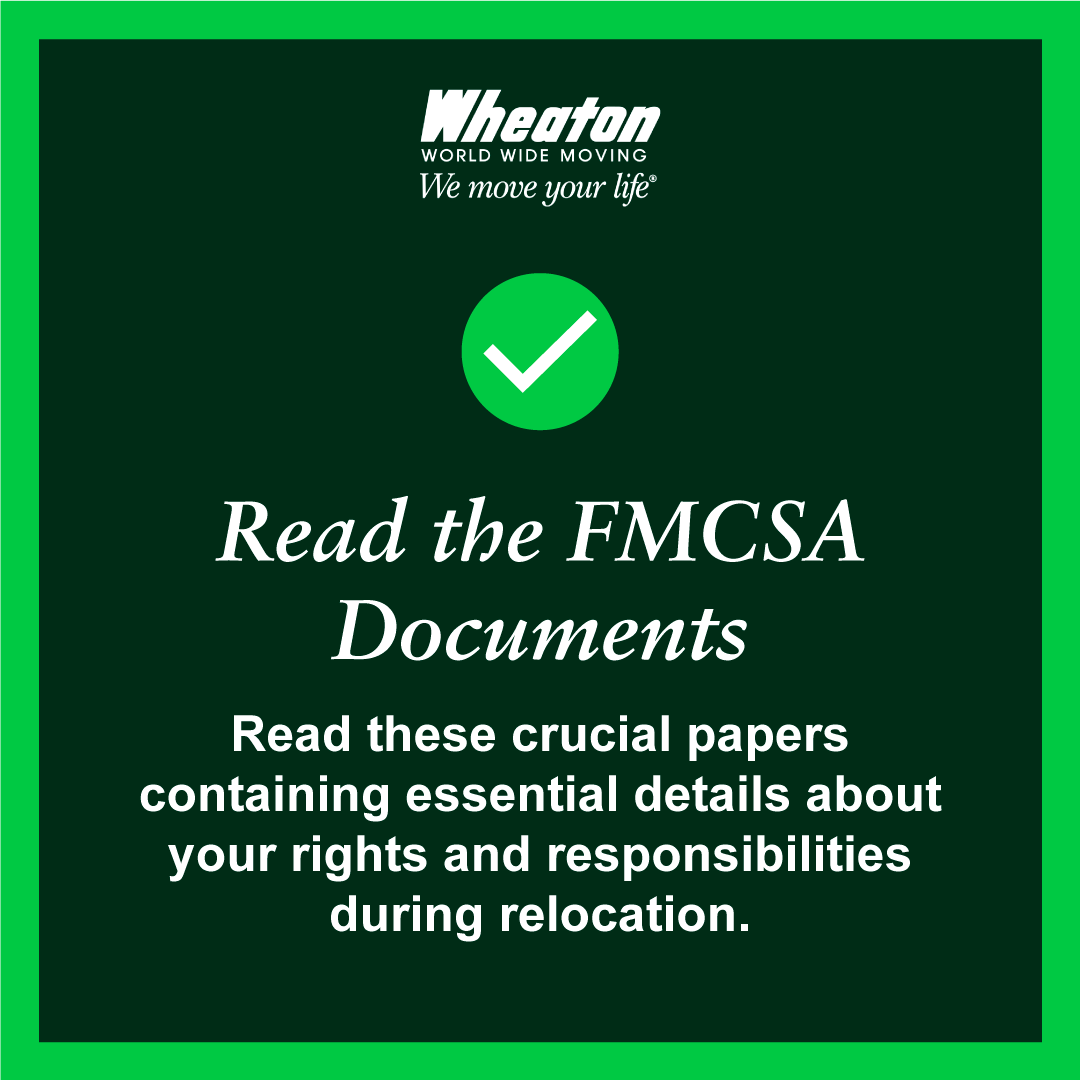
One of the simplest ways to protect yourself is to understand your rights as an interstate moving customer. Federal regulations require interstate moving companies to provide a booklet titled “Your Rights and Responsibilities When You Move.” This document outlines important protections, explains how estimates work, describes valuation coverage options, and details the mover’s obligations during your relocation. If a company does not provide this booklet, that is a red flag that they may be a rogue mover.
The booklet explains key topics such as:
- The difference between binding and non-binding estimates
- How and when final charges can change
- Your options for protecting your belongings
- Delivery timeframes and delay policies
- How to file a complaint if something goes wrong
Taking time to review this information helps you spot vague language, unrealistic promises, or pricing that does not comply with interstate moving laws. It also gives you confidence to ask informed questions before signing any agreement.
A reputable interstate mover will not hesitate to share this booklet and walk you through what it means. Clear communication about your rights is a legal requirement and a sign of accountability.
At Wheaton, we believe informed customers make the best decisions. We’re dedicated to ensuring you understand your rights as a customer before choosing your moving partner. We provide every customer with essential documents from the Federal Motor Carrier Safety Administration (FMCSA), a valuable resource detailing your rights. You can also find these documents conveniently linked from our homepage because we believe knowledge is power, and we want you to have that power as you navigate your moving journey.
Choosing an interstate moving company is not just about comparing prices. You should understand how the company operates, how it communicates, and how it protects you throughout the process.
The right questions help you move beyond a simple quote and evaluate transparency, accountability, and professionalism. They also give you confidence that the company you choose is prepared to handle your long-distance move with care and clarity.
When speaking with a long-distance moving company, ask:
- Will I receive a written, guaranteed estimate based on a thorough in-home or virtual survey of everything I plan to move?
- Can you clearly explain how interstate pricing works and what factors could affect the final cost?
- How will my shipment be inventoried and documented before it leaves my home?
- Will I have one consistent point of contact who is accountable for my move from start to finish?
- How long have you been operating, and what does your nationwide agent network look like?
- Do you require a large deposit upfront, or are payment terms clearly outlined and reasonable?
- Can you walk me through the contract and confirm there are no hidden fees or vague language that could lead to added charges later?
The answers should feel clear and direct, not rushed or evasive. The answers you receive should leave you feeling informed, not pressured. If a company avoids your questions, rushes your decision, or refuses to put details in writing, that is a signal to pause.
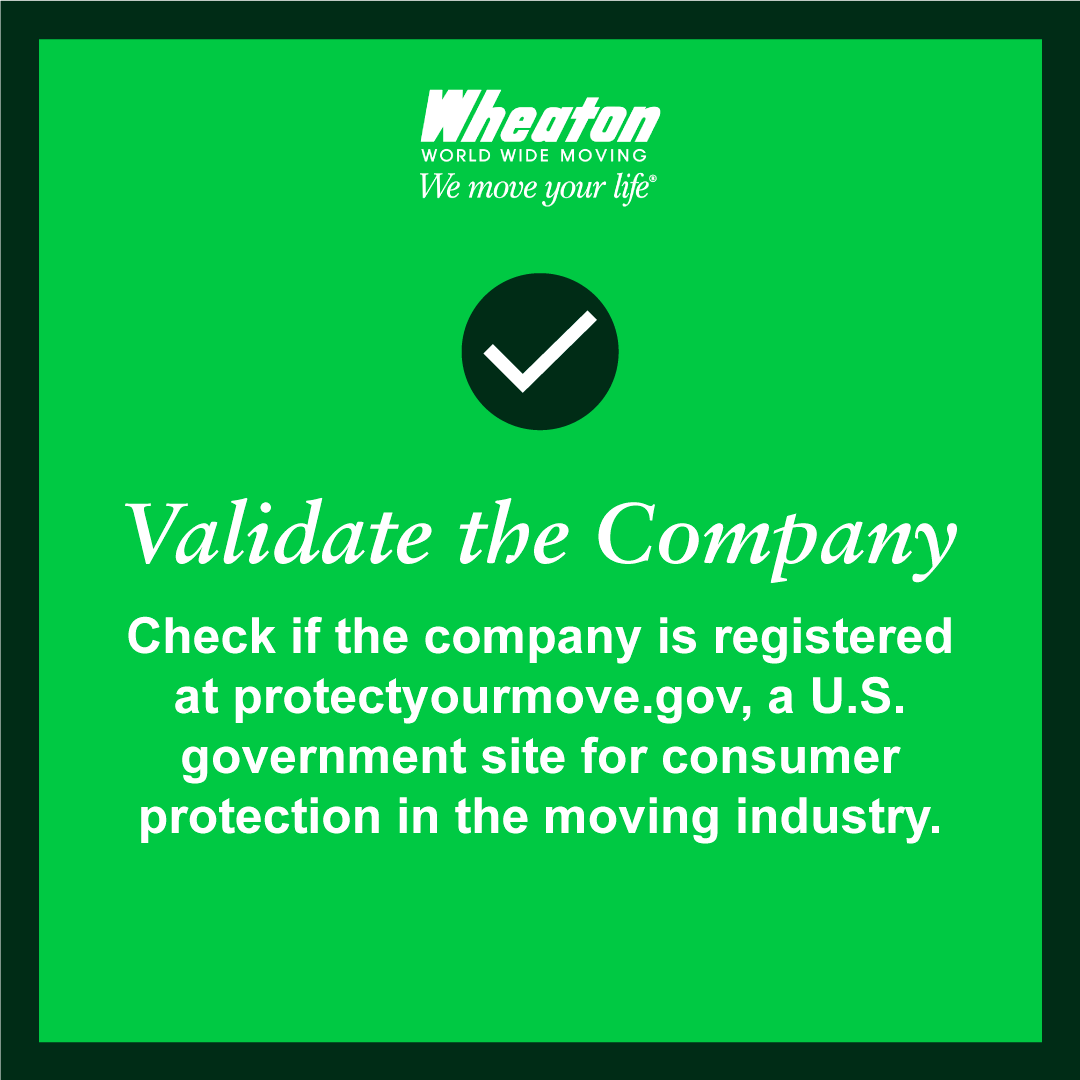
Always check protectyourmove.gov before signing with a moving company. If the interstate authority’s name doesn’t show on the site, they aren’t a legitimate mover. For instance, our local agent’s names won’t pop up on the list because they get their interstate authority through Wheaton’s name. Wheaton World Wide Moving shows up on the FMCSA’s list of registered movers in the database.
You should also take a moment to verify the company’s U.S. DOT number through the Federal Motor Carrier Safety Administration. Every legitimate interstate moving company is required to have one, and they should be willing to provide it without hesitation.
Insured moving companies are essential for a worry-free move. Their insurance signifies a commitment to quality service and customer satisfaction. Choose insured movers for a secure, stress-free relocation.
Your moving company is required by the Federal Motor Carrier Safety Administration (FMCSA) to do a visual survey of your household goods. That can be in-person or virtual using your smartphone or tablet. But if the company gives you an estimate without ever having eyes on your belongings, that’s a red flag that they might be a rogue moving company.
If you’re asked for a deposit before your move date:
- It should be a nominal amount, nothing close to a third or half the cost of the move.
- Make sure you know who you’re paying and that it is the mover.
Ask your moving consultant about Full (Replacement) Value Protection (FRVP). FRVP is the agreement with your moving company as to how much your household goods are worth. Moving without FRVP coverage means your household goods are only worth 60 cents per pound per item. Yes, FRVP costs more, but it’s worth the peace of mind.
Before you sign anything, take time to carefully review your moving contract. In an interstate move, the contract is a legally binding agreement that outlines your price, services, and responsibilities.
One of the most important documents is the Bill of Lading. This is the official contract between you and your mover. It confirms the agreed-upon services, pickup and delivery details, valuation coverage, and final charges. Once signed, it governs the terms of your move.
Make sure the estimate type is clearly stated. Is it binding, non-binding, or not-to-exceed? The wording determines whether your price can change and under what circumstances. If the language feels unclear, ask for a direct explanation before moving day.
Review the inventory carefully. Every item loaded onto the truck should be listed and described. This inventory becomes part of your official record and is tied to the Bill of Lading. Before the truck leaves, confirm the inventory is accurate and keep your copy.
Also, look for clearly defined additional services, delivery timeframes, and payment terms. Packing, storage, specialty items, or shuttle services should be listed specifically, not left open to interpretation. Payment instructions should be straightforward and consistent with what you were told during the estimate process.
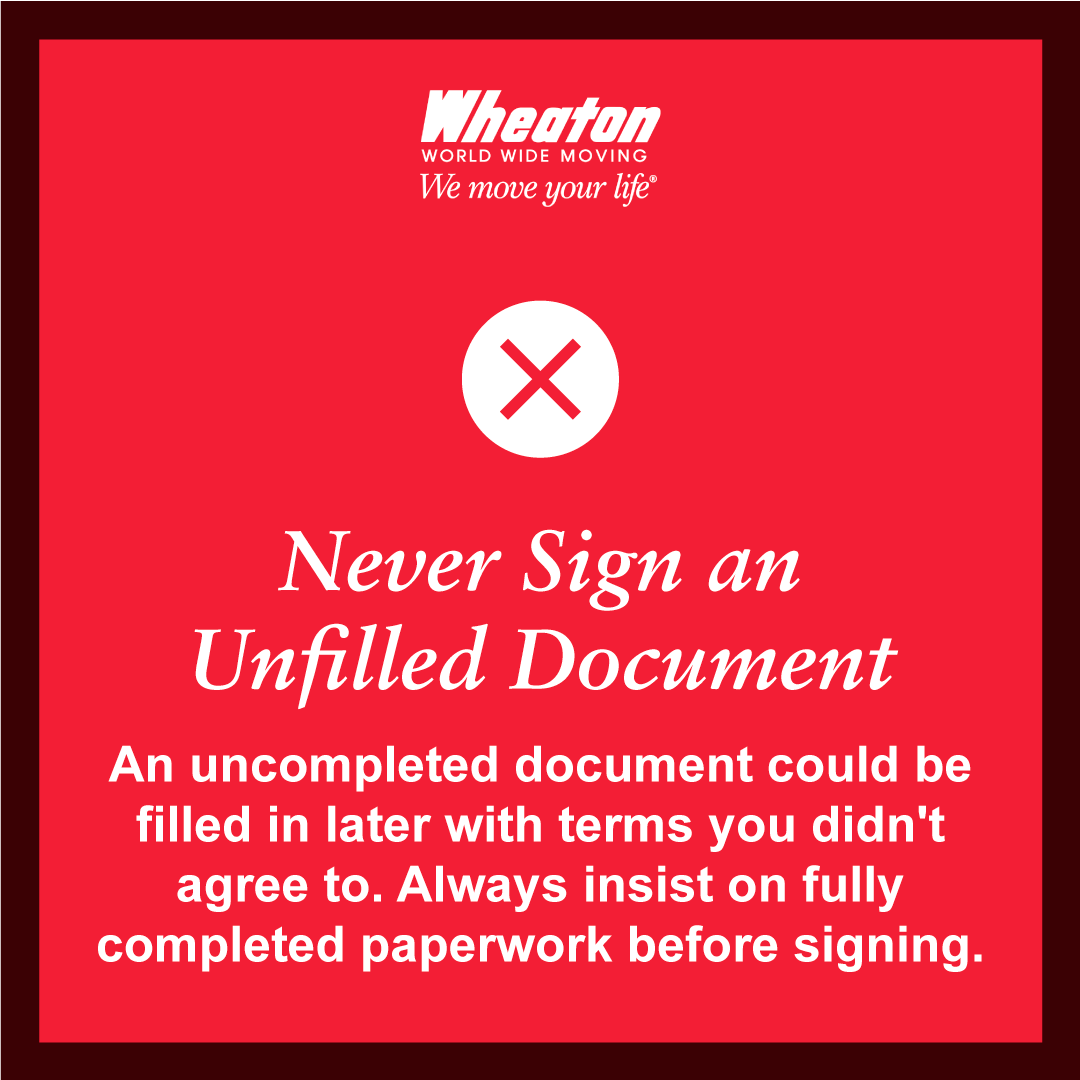
Never feel pressured to sign quickly. A reputable interstate mover will give you time to read the Bill of Lading and supporting documents, answer your questions, and ensure you understand what you are agreeing to.
When you move with Wheaton, our skilled move managers are always eager to guide customers, clarifying crucial details such as the importance of never signing a blank document. We actively promote informed decisions, encouraging customers to gather moving estimates from at least two other companies and conduct comprehensive research. Above all, we invite and value your questions. At Wheaton, we’re not just moving your belongings, we’re moving your life, every step of the way.
Move Forward With the Right Safeguards in Place
Moving across state lines is a big step. You deserve a partner who protects your investment, respects your timeline, and treats your belongings and your transition with the attention they deserve.
If you are planning an interstate move, take the time to ask questions so you can avoid rogue movers. Compare estimates carefully. Read the details. Trust your instincts. A legitimate long-distance moving company should be organized and transparent from the first conversation.
Your Certified ProMover Partner: Redefining Moving Standards
Wheaton is a certified ProMover through the American Trucking Associations (ATA). We uphold the ethical and professional standards of the organization, which provides customer service agents to help resolve any disputes involving ProMovers.
At Wheaton, we believe trust is earned through follow-through. From your initial survey to final delivery, our goal is simple: to coordinate your move with clarity, care, and accountability.
If you have questions about how to spot moving company scams or you’re ready to get started with a reliable moving company, get in touch with Wheaton today. Request your guaranteed quote and speak with a dedicated move coordinator. We will walk you through what to expect, answer your questions clearly, and help you move forward with confidence.
Frequently Asked Questions
With all legitimate moving companies, you will pay the majority of the cost just a few days before delivery or via certified check once the moving truck arrives at your new residence, prior to unloading. Some movers charge a deposit when you book your move, but it shouldn’t be a substantial amount compared to the total estimate. It’s a red flag if your movers ask for a substantial amount of money before beginning the packing or loading process.
At Wheaton, we provide moving estimates so you know the expected cost of your move. There will only be a significant change in your final move cost if you significantly change the scope of the move (adding significantly more items to your move, changing your delivery location to a different zip code, adding packing or unpacking services, etc.), which you would approve before any additional services are provided, via your signature on the Bill of Lading (move contract).
Beware of potential moving scams that can turn your relocation into a nightmare. Recognizing these warning signs is crucial to securing a trustworthy moving service:
- Unbelievably Low Estimates: If a moving company offers you an estimate that seems too good to be true, it probably is. Legitimate companies offer competitive, yet realistic pricing based on a thorough assessment of your moving needs.
- No Visual Survey: The FMCSA requires movers to conduct a visual walkthrough of your items before giving a quote, whether in-person or virtual. If a company provides an estimate without inspecting your belongings, they’re violating the rules of the industry’s governmental watchdog.
- Large Upfront Payments: While a small deposit isn’t unusual, beware of companies demanding a large payment upfront. This could be a sign they intend to disappear with your money.
- Absence of a License: Any professional interstate moving company should have a license issued by the Federal Motor Carrier Safety Administration (FMCSA). If they don’t, it’s a clear sign they’re not legit.
Knowledge is your best defense against moving scams. To equip you with further insights and tips to ensure a stress-free move, we invite you to explore our blog and download our PDF on rogue movers. Learn more about recognizing moving scam signs and approach your big day with confidence and peace of mind.
Communication is key. Contact the moving company as soon as you notice the issue. There could be a delay due to unexpected traffic, bad weather, or other unforeseen circumstances. The company should be able to provide an updated delivery time.
If the delay is extensive or if your belongings aren’t delivered at all, check the terms and conditions in your moving contract. Many companies have a policy to cover such incidents. This can often include a partial refund, compensation, or assistance with accommodation and living expenses if you’re left without your belongings for a significant period.
If you aren’t satisfied with the company’s response, you can file a complaint with the Federal Motor Carrier Safety Administration (FMCSA). They regulate interstate moving companies and can help resolve disputes. Learn more about how to file a complaint.
The more educated you are about the moving process, the more likely you are to have a good experience. It is crucial that you read through all the FMCSA documents your mover is required to provide and ask questions before signing on the dotted line. In addition to those documents, check out our Resources and Guides page and visit our blog to ensure you’re in the know. You can also give Wheaton World Wide a call if you have additional questions!