
Shipping cars cross-country is a practical choice when you’re planning a long distance move. It saves time, reduces wear on your vehicle, and allows you to focus on everything else that comes with a major life transition. If you’ve already decided auto transport is the right option, the next step is understanding how to prepare and what to expect so there are no surprises along the way.
At Wheaton World Wide, we believe clarity makes all the difference. Here’s what to know about cross-country car shipping, from transport options to timing and cost.


Open vs. Enclosed Transport: Choosing the Right Fit
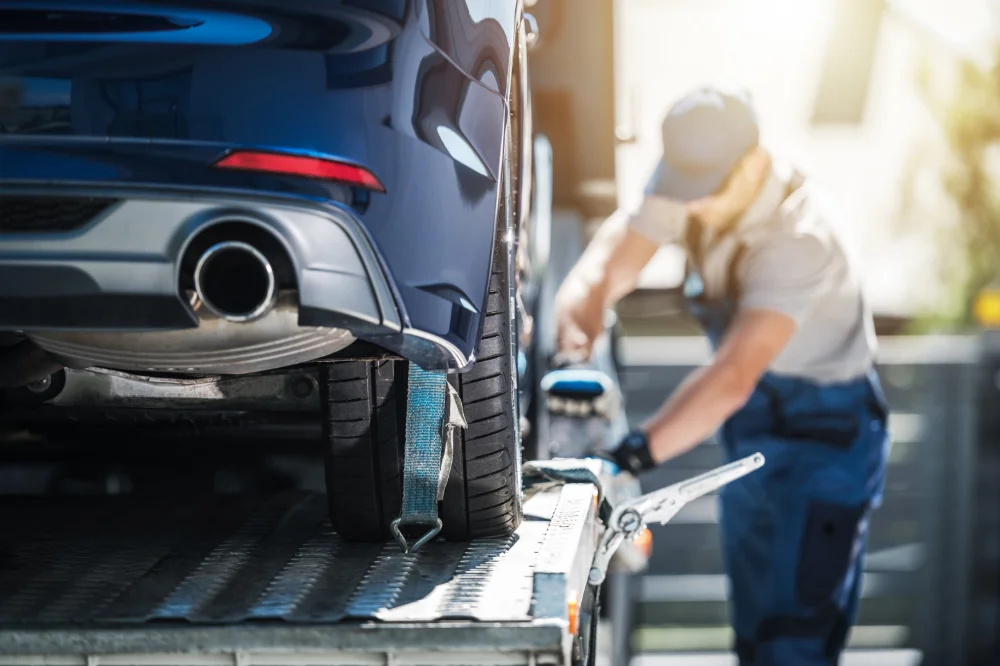
One of the first decisions you’ll make is how your vehicle will be transported. Open transport is the most common option for shipping a car cross-country. Your vehicle is loaded onto an open carrier, similar to the car haulers you see delivering cars to dealerships. This method is widely used because it is efficient and cost-effective. Most standard vehicles are shipped via open car transport without issue.
Enclosed transport offers an added layer of protection. Your car is placed inside a covered vehicle transporter trailer, shielding it from weather, road debris, and dust during the cross-country trip. This option is often chosen for luxury vehicles, classic cars, or high-value vehicles where extra care is important.
For most households, open auto transport provides a reliable and safe solution when moving across the country. If your vehicle holds special value or you want added peace of mind, enclosed transport may be worth considering. Your Wheaton move coordinator can help you decide what fits your situation best.
How to Ship a Car Cross-Country: What the Process Looks Like
Understanding how to ship a car cross-country helps you feel more in control of the experience. The car shipping process typically includes:
- Requesting a detailed estimate based on your vehicle, distance, and timing
- Scheduling your transport alongside your move timeline
- Preparing your vehicle for pickup
- Completing an inspection at pickup and delivery
At Wheaton, you’re not left managing this alone. You’ll have one move coordinator who helps align your auto transport with the rest of your long distance move.
Vehicle Preparation Checklist
Preparing your vehicle properly helps avoid delays and ensures a smooth pickup and delivery when moving your car across the country. A little preparation upfront can prevent issues later. Here’s a simple checklist to follow, and your move coordinator can walk through this checklist with you, so nothing is missed.
- Clean your vehicle. Wash your car so any existing scratches or dents are easy to see during inspection.
- Document current condition. Take clear photos from multiple angles. This gives you a record before transport begins.
- Remove personal items. A car shipping company is typically not permitted to transport personal belongings inside the vehicle. Remove everything, including loose accessories and valuables.
- Check for leaks and maintenance issues. Make sure there are no fluid leaks and that your battery is charged. Tires should be properly inflated.
- Keep fuel low. A quarter tank of gas is enough. This reduces weight while still allowing for loading and unloading.
- Disable alarms and toll devices. Turn off any alarms and remove toll tags to avoid unnecessary charges.
- Provide a spare key. You’ll need to give the driver a working key for transport.
What Is Covered During Transport
An auto transport company is required to carry cargo insurance that covers your vehicle cross-county during transport. Before your shipment begins, you’ll review the coverage details and complete a Bill of Lading, which serves as both a receipt and a condition report in the car shipping industry.
At pickup, the driver will inspect your vehicle and note its condition. You’ll review and sign off on this report. The same process happens at delivery. This ensures transparency and accountability from start to finish.
If you have questions about coverage limits or documentation, your move coordinator can provide clear answers so you feel confident moving forward with car shipping services.
Timeline: How Long It Takes to Ship a Car Cross Country
Timelines for shipping a vehicle cross-country depend on distance, route, and scheduling, but having a general idea helps with planning. For most long distance shipments:
- Shorter routes (under 500 miles): 1–3 days
- Mid-range distances (500–1,500 miles): 3–7 days
- Cross country moves (1,500+ miles): 7–10 days
These are typical transit times once your vehicle is on the carrier. Pickup windows can vary slightly based on driver availability and route efficiency.
Weather, traffic, and seasonal demand can also affect timing. With Wheaton, you’ll receive updates and have a single point of contact to help you track progress and adjust plans if needed.
Take the Next Step: Get Your Car Shipping Estimate
By now, you have a clear understanding of how to ship a car across the country, what to expect during vehicle transport, and what factors influence cost. With the right preparation and guidance, this part of your move can feel straightforward and well-managed.
If you’re ready to move forward, the next step is simple. Request an auto transport estimate from Wheaton. You’ll receive clear, detailed information tailored to your move, along with the support of a dedicated coordinator who will guide you from start to finish.