
BREATHE EASIER WITH OUR MOVING PROTECTION PLANS
Protect Your Move With Valuation Coverage
Protect Your Move With Valuation Coverage
A long distance move comes with a lot of important decisions, and one of the most common questions is how your belongings are protected along the way. You want to know that the things that matter most to you are accounted for, handled with care, and covered if something unexpected happens.
Valuation protection provides that reassurance. Wheaton World Wide offers valuation coverage options to fit your needs and priorities. We take the time to walk you through these options clearly, so you can make a choice that feels right for your move before the first box is ever loaded. Value protection is one more way Wheaton helps bring clarity and reassurance to every step of your move.
Support You Can Trust When Choosing Your Coverage
At Wheaton, we treat valuation protection as a key part of your move, not an afterthought. We take the time to explain your options, answer your questions, and make sure everything is clearly documented before your move begins.
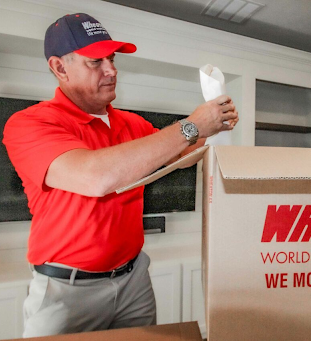
With Wheaton, you can expect:
- A clear review of valuation coverage options before your move, so you understand what each level of protection includes
- Straightforward explanations of how liability and coverage apply to your specific shipment
- A written estimate that outlines your selected valuation option in detail
- One dedicated move coordinator to guide you through decisions and provide consistent answers
- Detailed inventory documentation to support accountability throughout your move
- A final walkthrough to confirm coverage selections and shipment details before transit
When you work with Wheaton, you’ll be working with a team that is dedicated to ensuring the safe arrival of your belongings. However, that doesn’t mean you should forgo extra protection.
Accidents can happen. By making careful decisions about your protection plan, you can mitigate these risks. And as you consider your costs, you may also want to review Wheaton’s tariff.
Making Sense of Moving Coverage Options
When you start planning a long distance move, it’s natural to look for “moving insurance.” In reality, interstate movers are not allowed to sell insurance. That’s because movers are considered carriers under federal law, and carriers cannot act as insurance providers for the shipments they transport. Moving insurance requires different licensing, oversight, and consumer protections.
Instead, movers offer valuation coverage, which defines their level of responsibility for your belongings while they are in their care. Understanding these options helps you make an informed decision about how you want your items protected.
Released value protection, also called liability coverage, covers the mover’s legal responsibility for your belongings while they’re in their care—it is not liability insurance. This is the most basic level of coverage and is included at no extra charge. It provides protection based on weight, not the actual value of your items.
- Coverage is set at 60 cents per pound per item
- If an item is lost or damaged, reimbursement is based on its weight
- For example, a 10-pound item would be covered up to $6.00, regardless of its original cost
Released value coverage is a simple, budget-conscious option, but it may not reflect the full value of many household items.
For many customers, full value protection offers greater peace of mind. This option holds the mover responsible for the replacement value of lost or damaged items, subject to the terms of your agreement.
- Items are repaired, replaced, or settled for their current market value
- Coverage is based on the declared value of your shipment
- Deductible options may be available to help manage cost
This option provides a higher level of responsibility compared to basic coverage. If something is lost or damaged, the mover is required to take steps to make it right through repair, replacement, or cash settlement based on the item’s value, as outlined in your agreement.
Limited & Full Replacement Protection Options From Wheaton
Accidents can occur despite taking every precaution. Choosing valuation protection is an important part of planning your long distance move, and having clear options makes that decision easier. Wheaton offers valuation protection options to meet different needs, whether you’re looking for a basic level of protection or something more comprehensive.
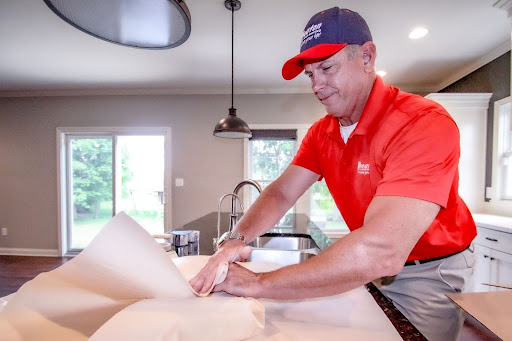
Before your move begins, you’ll have the opportunity to review each option, understand how it works, and select the level of coverage that feels right for your situation. With clear explanations and everything outlined in writing, you can move forward knowing exactly what to expect. You can find detailed descriptions of our coverage options and pricing on our transit valuation protection form.

Limited Liability Protection
Free released value protection is included at no charge for your interstate move. The standard coverage for your belongings is 60 cents per pound of items. Claims settlements are based on the weight of the damaged item.
Boxes you pack yourself have different liability coverage than those packed by your carrier. Your Wheaton agent will provide detailed information to help you make the best coverage decision.
Full Replacement Value Protection (FRVP)
For a higher level of compensation, you might consider choosing FRVP. It’s a great way to protect your belongings in the event that there’s any damage to your items. Keep in mind that this isn’t moving insurance—instead, we place a dollar amount on your belongings, which is determined by the value you declare for them. You choose your deductible level.
How It Works
FRVP policies are based on a release value of $6 per pound. In other words, if you decide to buy FRVP on your shipment and it weighs in at 10,000 pounds, the default value for your belongings will be set at $60,000.
If you want to increase that value, you can. But keep in mind that you must decide your valuation coverage and the level of your deductible before any of your belongings make it onto the moving van.
Your local agent can provide you with a quote for the cost of your chosen valuation level, and that cost is added to the total cost of your shipment. You will need to provide payment for your shipment prior to delivery.
Items of Extraordinary Value
If you’re moving items that are valued at more than $100 per pound or have great financial value—such as sterling silver, china, or special collectibles—it’s important to complete our Items of Extraordinary Value form. This form indicates the condition of your valuables prior to your move, and both you and the driver will sign off on it. That way, should the unexpected happen and something becomes damaged, your belongings of extraordinary value are still protected.
You can opt to have a deductible assigned to high-value items in the event that they require replacement or repair once determined by our assessment. Your agent can also help answer any questions you have regarding the value you’ll want to assign to a specific item.
Some examples of items of extraordinary value include:
- Currency
- Fur or fur garments
- Coins
- Antiques
- Jewelry
- Oriental rugs or tapestries
- Precious metals
- Rare collectible items
- Precious or semiprecious stones or gems
- Objects of art
- China sets
- Computer software programs
- Crystal
- Manuscripts and other rare documents
- Figurines
Document Inventory Upon Delivery
You must document any missing items or damage to your belongings at the time of delivery. This is accomplished by taking inventory as soon as your items are unloaded from the truck. This should be completed with the Wheaton crew present. Taking inventory upon delivery is not only a good idea, but it’s also required to ensure your items are covered properly.


Ready to Protect Your Move?
We know that valuation protection options can seem complicated. Wheaton is happy to help answer any questions you may have! If you’d like to learn more, please don’t hesitate to contact us. Have a claim to file? Get the process started online.
Frequently Asked Questions
Valuation protection defines the mover’s responsibility for your belongings if they are lost or damaged during a long distance move. It’s an important part of the planning process because it sets clear expectations before your shipment is on the road. By selecting a level of coverage in advance, you avoid uncertainty and know exactly how claims would be handled if something unexpected happens. Valuation protection helps protect you financially and gives you confidence throughout your move.
Liability replacement refers to the legal obligation of the movers to compensate you for items that are lost or damaged due to their negligence or errors. This type of coverage is usually limited and based on predetermined rates per pound. In contrast, valuation protection is an optional service that provides broader coverage, allowing you to receive full or partial value for the lost or damaged items, regardless of the movers’ fault.
To file a claim for damaged or lost items, you can easily file online. It’s important to report any visible damage at delivery and keep your inventory and paperwork for reference. Once your claim is submitted, it will be reviewed based on the valuation coverage you selected. Wheaton will guide you through the process, helping ensure your claim is handled clearly, fairly, and in accordance with your agreement.
Your valuation protection must be selected and documented before your move begins. When you move with Wheaton, your preferred valuation protection option must be selected no fewer than three days before your day of loading.
This ensures your coverage is clearly defined prior to packing and transport. Once your shipment is in transit, changes to your protection level are not available. Take time to review your options in advance so you can make a confident, informed decision before moving day.
A licensed mover should not be presenting themselves as selling their own “moving insurance.” That’s a red flag, because under federal law, interstate movers must offer two different liability options referred to as valuation coverage — they are not acting as insurance providers (FMCSA). Instead, moving companies offer valuation coverage, which defines their responsibility for your shipment. That’s the protection you review and select as part of your move.
If you’re looking for true insurance, that typically comes from a third-party insurance provider, separate from your mover. The mover may also offer to sell or obtain separate liability insurance coverage for a consumer when they select Released Value (FMCSA). These third-party coverages can offer additional protection beyond valuation, and insurance companies may reimburse you based on the item’s actual value, depending on the policy. Before purchasing insurance, check your homeowner’s insurance policy to see if you’re already covered. In certain cases, those policies may offer limited coverage during a move, but it’s important to confirm details directly with your provider.
Yes, your items are covered under your selected valuation protection while they are in storage-in-transit with Wheaton, for up to 180 days. This type of storage is part of the overall moving process, and your coverage remains in place during that time, based on the option you selected before your move. If your items need to remain in storage beyond 180 days, coverage through Wheaton no longer applies. At that point, you’ll need to make separate arrangements directly with the storage provider to ensure your belongings remain protected.
It’s also important to note that if your shipment is delivered into a public or self-storage unit, valuation coverage ends once delivery is completed. Reviewing your contract carefully and understanding the specifics of coverage and any limits outlined in your estimate and bill of lading can help you avoid any gaps along the way (FMSCA).