
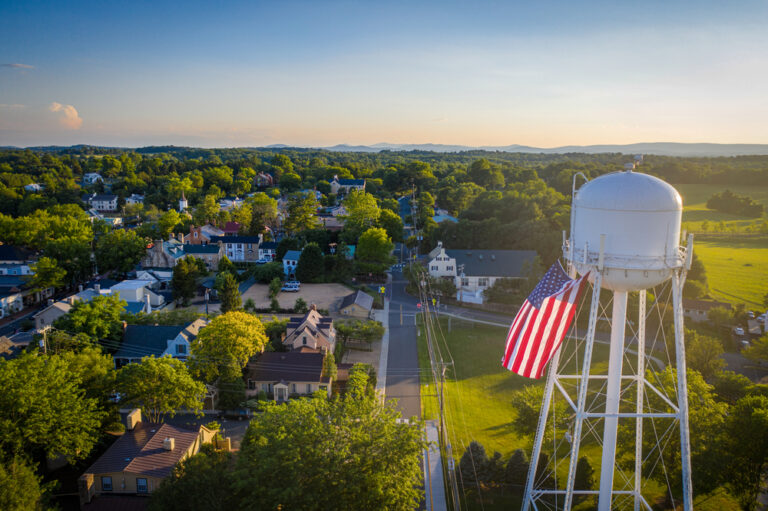
Big city living has its perks. Access to public transportation, a large job market, social opportunities, shopping and diversity are great benefits of city residence. However, for many people, there comes a point when a quieter, slower way of life seems like the natural next step. If moving to a small town sounds like a much-needed change of pace, you’ll need a full rural relocation strategy to make it happen.
When relocating, a small town versus a big city requires different planning. You’ll need to figure out transportation and moving services while also considering the emotional transition to a place that may be more remote than you’re used to.
Wheaton World Wide Moving is an expert in relocation services and big life transitions, whether it’s a city of one million or a village of five hundred. Here’s everything you need to know about moving to a small town.
Small Town vs. Big City: The Lifestyle Shift
If you’re ready to move from home, it’s best to get acquainted with the foundation of small-town versus big city living. Small towns, with their backroads and sparse amenities, naturally encourage a different pace of life that can take some time to adjust to. You’ll want to weigh the pros and cons before deciding whether the change is right for you.
Key Benefits of Living in a Small Town
From green space to peace and quiet, suburban living is beneficial to just about anybody. As opposed to urban areas, small-town life often has a lower cost of living. Home prices, gas and groceries are usually cheaper, saving you money almost immediately. Additionally, studies indicate that smaller towns tend to have lower crime rates, resulting in safer neighborhoods and greater peace of mind.
Another key benefit of living in a small town is the close-knit community. Neighbors get to know each other, kids spend years with the same classmates and engagement in local events in the community is common. That sense of community is one of the biggest advantages of living in a small town! However, to make true and lasting connections, you may need to seek out social stimulation.
Sure, you might need to drive a bit farther for a grocery store or hit the next town to find a movie theater, but on the other hand, you likely won’t have to deal with a soundtrack of traffic noises every night. Evenings are peaceful, skies are free of light pollution and you may even come to love the solitude!
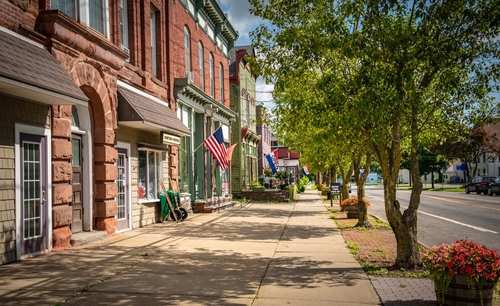
Common Challenges in Smaller Towns
That’s not to say your small town experience will feel like a heartwarming movie every day—there may be a couple of challenges to overcome. For starters, entertainment, amenity access and restaurants may be in short supply. Those daily conveniences will likely be limited and within driving, not walking, distance. Without public transport, for example, car access is essential. You’ll need it to grocery shop, commute to work or seek medical services (the latter of which may be few and far between in a small town).
As you scope out potential rural areas, be sure also to consider the housing options. The market might not have as many options as a bustling city. Many small towns offer more homeownership opportunities than cities, but townhouses, apartments and other rentals will vary. After all, a town with a tiny population probably doesn’t see many newcomers lining up to move in.
You’ll also want to keep in mind that small towns don’t have as much professional potential as bigger cities, unless you work remotely or can apply your skills to a job in town. To ensure you don’t regret moving to a small town, get your employment situated ahead of time.
Entertainment is another factor that poses a challenge to unprepared city transplants. You may be overwhelmed with the isolation at first. While urban areas often have cultural centers, parks, theaters and other entertainment channels, smaller towns may not (or at least not as many).
It can be an adjustment if you’re moving to a small town as a single person or without family, though that does allow for the freedom to explore community events or even pick up a new hobby. Either way, incorporate self-care into the move for a smoother transition.
Planning a Rural Move: What to Know Ahead of Time
Before you set out for rural lands, get ready to do some planning. Logistically, your utility setup may look different than before. Set up any deliveries or in-person utility servicing ahead of time to ensure it’s ready by your move-in date. If your home is serviced by well water, be sure to have the water quality tested in advance.
You should also map out your essentials, including grocery stores, gyms, gas stations and retail stores, and their hours. A 24-hour convenience store in your city neighborhood might’ve been a staple in your routine, but probably not a luxury you’ll have in rural areas.
Anyone moving with kids should also be prepared for limited school options. Many smaller towns only have a few elementary, middle and high school choices within the district. Help your kids feel better about moving by explaining the idea of smaller classrooms and farther commutes.
Tips for Moving to a Small Town
Preparation can make all the difference during the moving process. As experts who have handled decades of relocations, here’s our advice for moving to a small town:
- Plan a visit. It’s not always possible, but visiting your town ahead of the move is a great way to get a sense of the town and reduce pre-move anxiety. Visit the main streets and local shops to acquaint yourself with your new neighborhood.
- Prioritize a weekend with local events. Whether it’s a festival, farmer’s market or other event, you’ll be able to meet other residents, small businesses and strike up a conversation with your neighbors.
- Prepare for the transition. Start getting used to the idea of fewer stores, slower services and, often, solitude. Take advantage of city resources, or slowly stop using them to adjust your lifestyle.
- Set work and social expectations. If you work from home, try to break up the day with walks in your new neighborhood or challenge yourself to get out and explore the town. Staying cooped up all day is a quick way to burnout!
- Be patient. Any move can be stressful. As you start building your routine, give yourself and your family the chance to adjust to the changes.
Moving to a Small Town at Different Life Stages
There are dozens of reasons to start a new chapter in a rural area, whether you’re moving to a small town alone or with your clan, putting down roots (temporary or otherwise) or exploring an educational, professional or personal journey. Here’s how to prepare for a move in any season of life:
- In Your 20s: Moving to a small town in your 20s might sound like the beginning of a feel-good movie. Your 20s are the perfect time to explore new ventures in unexpected places before settling down and establishing deep roots. However, the experience can also be isolating. Prioritize building your community through group activities, events or coworking spaces in town.
- In Your 30s: As you get older and life gets more complicated, there are some additional things to consider about moving to a small town. If you have a family, take your kids and spouse into consideration, researching schools, family environments and long-term housing. If you’re relocating for work, think about your commute and the local job market for your spouse.
- For Work Relocations: Some companies will offer employer-sponsored relocation resources, including a relocation package, short-term housing, transition support and stipends. Discuss the details with your manager regarding the support that will be available when relocating to a small town for a job.
- Moving Alone or Single: When moving to a small town single or without family, it’s up to you to make connections as you navigate living alone. Look into local groups or clubs that nurture your current (or new) interests. Local volunteer opportunities are another great resource to explore.
Is Small Town Living Right for You?
Not everyone will find the transition into a small town easy, especially if they’re coming from a bigger city. If you’re set on moving to a small town, evaluate your priorities, pinpoint the pros and cons and decide whether it’s right for you.
Due to small towns’ slow pace of life, daily tasks take longer (because they’re often driving distance), convenience and luxuries are a little harder to come by and residents may be more accustomed to a non-rushed way of life.
You’re likely to come by neighbors with hospitable spirits. As long as you’re friendly toward fellow residents and do your best to integrate yourself into the community, you’re bound to have a positive experience and adjust as a family. You may even find that a small town is more affordable and enjoyable than your previous city!
Wheaton Is There, Wherever You Move
Whether you’re moving to a bustling metro or the middle of nowhere, Wheaton prides itself on providing efficient and compassionate service at every possible turn. Adjusting to country life or small town living requires the best team possible, and that includes Wheaton. Get in touch with one of our local agents to get a free estimate today.